
As homeowners, we all know the feeling: a small issue crops up, we put it off, and suddenly it’s a much larger, more expensive problem. Keeping your home comfortable and functional year-round requires a proactive approach, not just reactive repairs. It’s about staying ahead of potential issues, especially with the unique weather patterns we experience here in Raleigh, NC.
Establishing a consistent seasonal home maintenance schedule is one of the smartest investments you can make in your property. It’s not just about fixing things when they break; it’s about preventing them from breaking in the first place, saving you stress, time, and money. This guide helps you understand exactly when to service each system in your home for long-term reliability. For a comprehensive overview, we’ve also put together an annual home maintenance checklist to ensure you don’t miss any critical tasks.
At Parkside Plumbing & HVAC, we’ve seen firsthand how consistent care can extend the life of your home’s vital systems. With over 20 years of industry experience across plumbing, heating, cooling, and related home systems, we understand the nuances of Raleigh’s climate and how it impacts your home. Neil Henderson, who writes for us, often emphasizes that early intervention prevents costly damage, a philosophy we stand by.
What Is a Seasonal Home Maintenance Schedule?
A seasonal home maintenance schedule is a systematic plan for performing routine inspections, cleanings, and minor repairs on your home’s various systems and components throughout the year, typically broken down by spring, summer, fall, and winter. The goal is to address wear and tear, prevent major breakdowns, and ensure optimal efficiency and safety as environmental conditions change. This structured approach helps homeowners maintain their property’s value and comfort.
Think of it like preventive healthcare for your house. Just as regular check-ups keep you healthy, consistent care keeps your home resilient. According to the U.S. Department of Energy, proper home maintenance can significantly improve energy efficiency and reduce utility costs, which is crucial for homeowners looking to protect their budgets. Many small tasks, when ignored, can snowball into major repairs. For example, a clogged gutter in the fall can lead to water damage and foundation issues by winter.
“Proactive maintenance on a home’s key systems can extend their lifespan by years, reducing the likelihood of unexpected, expensive emergencies.”
How Does Seasonal Maintenance Work?
Seasonal maintenance works by dividing your home into systems (HVAC, plumbing, electrical, roof, etc.) and then assigning specific tasks to different times of the year, aligning with seasonal needs. For example, before summer, you’ll focus on your air conditioning. Before winter, you’ll prepare your heating system. This cyclical approach ensures that each part of your home receives attention when it’s most impactful, often preventing issues before peak demand puts stress on the system.
This process is about more than just remembering to change a filter. It involves checking seals, clearing drains, testing detectors, and inspecting exteriors. We adapt these tasks to Raleigh’s specific climate; for instance, ensuring your AC is ready for our hot, humid summers or that your pipes are insulated for potential winter freezes. By spreading tasks across the year, it becomes less overwhelming than trying to tackle everything at once, making it a manageable routine for homeowners.
What Should a Seasonal Home Maintenance Checklist Include?
A good seasonal home maintenance checklist should encompass all major systems and structural elements, tailored to prepare your home for the specific environmental stresses of each season. It typically includes inspections, cleaning, and preventative adjustments to ensure efficiency, safety, and longevity. The goal is to address wear and tear before it escalates, focusing on areas most affected by the upcoming weather.
Here’s a breakdown of what we commonly recommend for a well-rounded seasonal checklist:
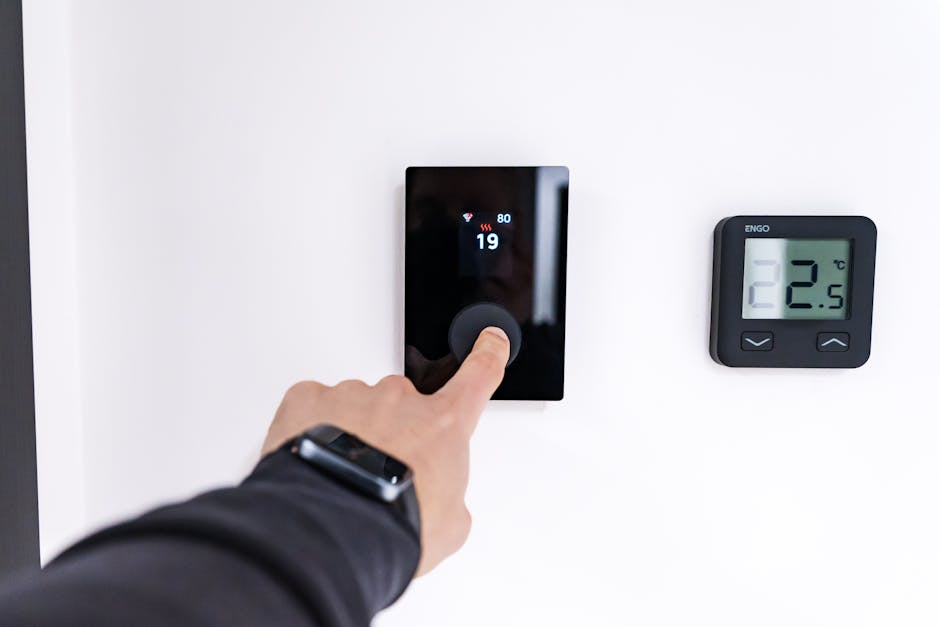
- HVAC System Checks: Cleaning or replacing filters, inspecting coils, checking refrigerant levels (for AC), and testing thermostats.
- Plumbing Inspections: Checking for leaks, insulating exposed pipes, flushing water heaters, and cleaning drain lines.
- Electrical Safety: Testing GFCI outlets, checking smoke and carbon monoxide detectors, and inspecting outdoor lighting.
- Exterior & Roof: Clearing gutters and downspouts, inspecting roofing for damage, checking siding, and sealing cracks.
- Landscaping & Drainage: Trimming trees/shrubs, ensuring proper yard drainage away from the foundation, and checking irrigation systems.
- Appliance & Safety: Cleaning dryer vents, checking appliance hoses, and ensuring fire extinguishers are accessible and charged.
- Weatherproofing: Sealing windows and doors, inspecting weatherstripping, and checking insulation levels.
Every item on this list contributes to your home’s overall health and your family’s comfort. For instance, regular maintenance for your heating and cooling units, as outlined in our guide to HVAC services, is critical for Raleigh’s extreme summer and winter temperatures.
What Are the Benefits of a Weekly, Monthly, and Yearly Home Maintenance Checklist?
Implementing weekly, monthly, and yearly maintenance checklists provides a structured approach to home care, breaking down overwhelming tasks into manageable intervals. Weekly tasks address immediate needs, monthly tasks focus on recurring system checks, and yearly tasks tackle comprehensive inspections and major preventative measures. This tiered system ensures no area is overlooked, promoting efficiency, safety, and cost savings.
This systematic approach can translate into significant long-term savings. As we explain in our post on how preventive maintenance saves money, small, regular efforts prevent large, unexpected expenses. Imagine the difference between regularly cleaning your drains and dealing with a full-blown sewer backup!
Weekly Tasks: Quick Checks for Immediate Impact
These are quick, high-impact tasks that prevent small issues from becoming bigger ones. They often relate to cleanliness and immediate safety.
- Wipe down kitchen and bathroom surfaces, check for drips.
- Clear obvious clutter and ensure entryways are safe.
- Quickly check under sinks for any new leaks.
Monthly Tasks: Routine System Care
These tasks focus on essential systems that need regular attention to function optimally.
- Check smoke and carbon monoxide detectors. Test them.
- Clean HVAC filters or check for replacement needs.
- Inspect water softener salt levels, if applicable.
- Check for any unusual noises from appliances.
- Clear noticeable drain clogs. We offer expert drain and sewer line services for persistent problems.
Yearly Tasks: Comprehensive Deep Dives
These are the major preventative tasks that often require more time, specialized tools, or the help of a professional. These typically align with seasonal transitions.
- Spring: HVAC system check-up, clean gutters, inspect roof, check exterior faucets and sprinkler systems.
- Summer: Inspect plumbing for leaks, check water heater, clean dryer vents, examine deck/patio for repairs.
- Fall: Furnace check-up, chimney cleaning, seal windows/doors, drain outdoor faucets.
- Winter: Test sump pump, inspect insulation, check for drafts, clean refrigerator coils.
What Are Smart Investments in Your Home’s Long-Term Reliability?
Investing in your home’s long-term reliability goes beyond just fixing problems; it involves proactive upgrades and thoughtful maintenance plans that address potential vulnerabilities. For Raleigh homeowners, this means preparing for specific local challenges like hot summers and occasional winter freezes, ensuring your property remains efficient, safe, and comfortable for years to come. It’s about smart choices that extend the life of your systems.
Sometimes, maintenance reveals that a system is simply past its prime. In such cases, replacing an old, inefficient water heater with a newer model can be a smart investment. We often find that diligent care can only go so far for aging systems. For advice on when to consider an upgrade or for water heater and boiler services, our team is always ready to provide expert guidance.
While we at Parkside Plumbing & HVAC are equipped to handle a wide range of services from plumbing repairs to electrical upgrades, we also recognize that some tasks are better suited for other specialists or even capable DIYers. For instance, pest control, extensive landscaping, or major structural renovations often fall outside our core services. It’s important to match the right expertise to the job for optimal results. Our focus remains on delivering reliable professionals for the essential systems that keep your home running smoothly.
“Regular inspections and timely repairs are crucial, but understanding when to upgrade or replace aging components is equally vital for a home’s overall health and efficiency.”
Practical Tips for Keeping Your Home on Schedule
Staying on top of your home maintenance schedule might seem daunting, but with a few practical strategies, you can make it a manageable and effective routine. The key is consistency and making these tasks a natural part of your home life rather than a chore you dread. We’ve found these tips help Raleigh homeowners stay organized and prevent surprises.
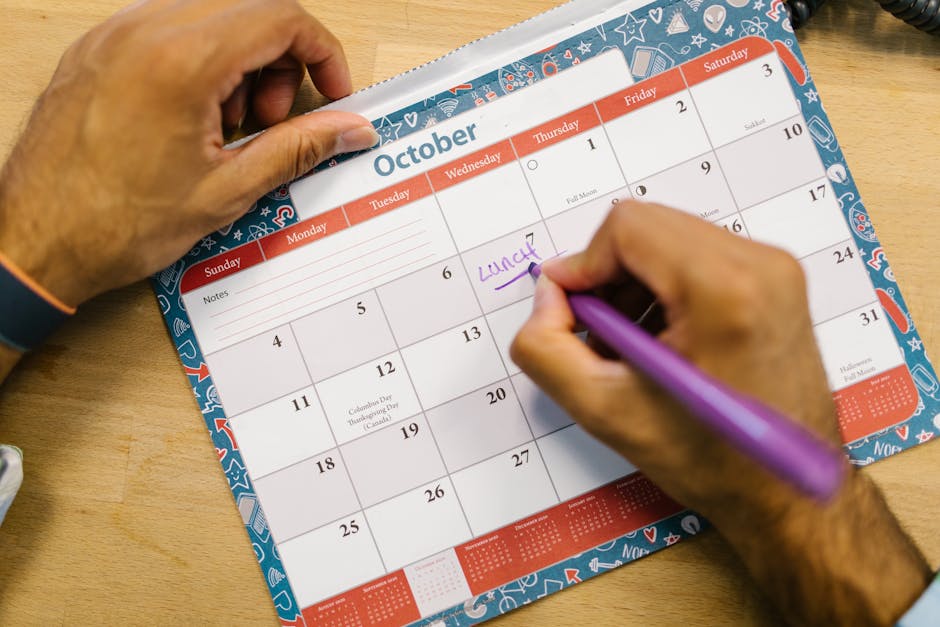
- Use a Digital Calendar or App: Set recurring reminders for monthly and seasonal tasks. Many home maintenance apps can help you track what needs to be done and when.
- Create a Physical Checklist: For those who prefer pen and paper, a printed checklist for each season or month can be satisfying to mark off. Keep it in a visible spot.
- Batch Tasks: Group similar tasks together. For example, when you’re checking your smoke detectors, check all your GFCI outlets too.
- Delegate When Possible: Involve family members. Assign age-appropriate tasks to keep everyone engaged in maintaining the home.
- Schedule Professional Help: For complex tasks like HVAC tune-ups or electrical inspections, schedule professional appointments well in advance of peak seasons.
- Keep a Home Maintenance Journal: Document when tasks were completed, by whom, and any issues noted. This record is invaluable for tracking trends and for future reference.
Keeping a home or workplace running smoothly takes more than just equipment; it takes reliable professionals who understand comfort, efficiency, and long-term performance. Our team at Parkside Plumbing & HVAC is always ready to assist with skilled handling for all your heating, cooling, plumbing, and electrical needs, ensuring your home remains a sanctuary through every season.