


There’s nothing quite like walking into a cool, comfortable home on a hot Raleigh day. But what happens when your air conditioner struggles to keep up, blowing warm air or running constantly without relief? Often, a failing AC unit points to a bigger problem: a refrigerant leak. This isn’t just an inconvenience; it can be a significant issue for your system’s health, your energy bills, and even the environment.
A refrigerant leak slowly diminishes your air conditioner’s ability to cool your home, putting undue stress on the entire system. It can also lead to more costly repairs down the road, including an air conditioner compressor failure. Here at Parkside Plumbing & HVAC, we’ve seen how quickly a small leak can turn into a major headache for homeowners. That’s why understanding the signs and acting fast is so crucial.
We’re here to help you understand what a refrigerant leak means for your AC unit and your home. Neil Henderson, who writes for us, reminds our customers that recognizing the early warning signs can save you from discomfort and unexpected expenses. Knowing what to look for can prevent a minor repair from escalating into a full system replacement.
What is Refrigerant and How Does an AC System Work?
At its core, an air conditioning system works by moving heat, not by creating cold. The key player in this process is refrigerant, a chemical compound that cycles through your AC unit, absorbing heat from your indoor air and releasing it outside. Think of it as the blood of your AC system, continuously flowing to facilitate cooling.
Inside your AC, the refrigerant starts as a low-pressure gas in the evaporator coil, located indoors. As warm indoor air passes over this coil, the refrigerant absorbs the heat, turning into a warmer, high-pressure gas. This gas then travels to the compressor, which pressurizes it even further before sending it to the outdoor condenser coil. Here, the refrigerant releases its absorbed heat to the outside air, condensing back into a liquid. This cool liquid then cycles back indoors, ready to absorb more heat. This continuous cycle is what keeps your home cool and comfortable.
“Refrigerants are essential for cooling systems, but their proper containment is critical not only for system efficiency but also for environmental protection due to their potential impact on the ozone layer and climate change if released.”
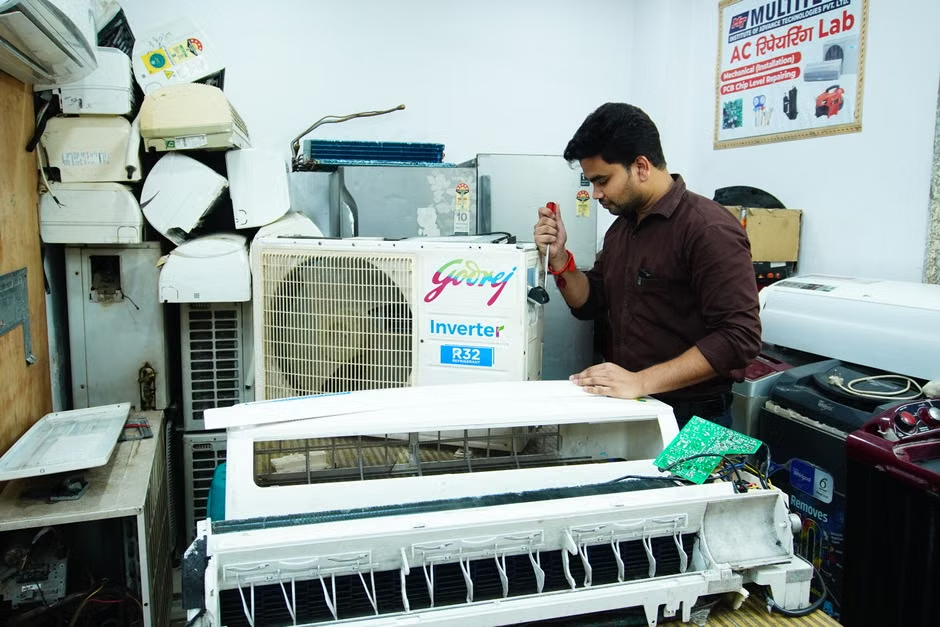
Central AC Refrigerant Leak Detection Symptoms and Why It Matters
A central AC refrigerant leak isn’t always obvious at first, but its symptoms grow more pronounced over time. It matters immensely because low refrigerant causes your system to work harder, consume more electricity, and eventually fail prematurely. Recognizing these signs allows us to address the issue before it leads to more expensive and extensive damage.
When your central air conditioning system is losing refrigerant, you’ll often notice a decline in its cooling power. Your home might feel warmer than usual, even when the AC is running continuously. The system might run longer cycles, struggling to reach the set temperature, or it might cycle on and off more frequently. This increased workload puts a strain on the compressor, which is a major component and costly to replace. If you’re experiencing these issues, it’s a good idea to schedule a spring air conditioning tune-up to catch problems early.
Other signs can be more direct. You might hear a hissing or bubbling noise coming from the indoor or outdoor unit, which indicates refrigerant escaping. Another common sign is ice buildup on the evaporator coil (indoor unit) or the copper lines connecting the indoor and outdoor units. This happens because low refrigerant pressure causes the coil to get too cold, freezing the moisture in the air around it. We frequently advise our clients in Raleigh that these symptoms are red flags that shouldn’t be ignored.
Are Refrigerant Leaks Dangerous?
Yes, refrigerant leaks can pose dangers, though direct exposure in residential settings is rare. Beyond the environmental impact of certain refrigerants, inhaling concentrated refrigerant can be harmful. In a home, however, leaks are usually slow and dispersed, meaning immediate danger from inhalation is low. Still, any leak should be addressed promptly by professionals.
When refrigerant leaks, it displaces oxygen in enclosed spaces, which can lead to lightheadedness, nausea, or even suffocation in extreme cases, especially in poorly ventilated areas. Additionally, refrigerant itself can be harmful if it comes into direct contact with skin or eyes, as it’s extremely cold and can cause frostbite. This is why handling refrigerants requires proper training and personal protective equipment. Our 20+ years of experience have taught us the importance of skilled handling and safety protocols when dealing with these types of repairs.
“Acute exposure to high concentrations of refrigerants can cause dizziness, headaches, and central nervous system depression. In very high concentrations, some refrigerants can cause cardiac sensitization, leading to irregular heart rhythms.”
— Agency for Toxic Substances and Disease Registry (ATSDR) – CDC
Signs of Refrigerant Leak in a Heat Pump
Heat pumps use refrigerant for both heating and cooling, so a leak impacts both functions. Similar to a central AC, key indicators include reduced heating or cooling capacity, ice buildup on coils, and unusual sounds. Because heat pumps operate year-round, these symptoms might manifest during any season, making regular vigilance important for consistent comfort.
Since heat pumps leverage refrigerant to move heat in two directions, a leak affects both their summer cooling and winter heating efficiency. In the summer, you’ll see the same symptoms as a traditional AC: warm air from vents, prolonged cycles, and higher utility bills. During colder months, a heat pump with low refrigerant will struggle to adequately heat your home, often requiring the auxiliary heat to kick in more frequently, which uses a lot of electricity. You might notice your outdoor unit icing over excessively, even beyond normal defrost cycles.
If you have a heat pump, paying attention to its performance throughout the year is key. Any sudden drop in its ability to maintain your desired temperature, coupled with strange noises or visible ice, warrants a professional inspection. Regular HVAC maintenance is particularly critical for heat pumps to ensure they’re operating efficiently and safely.
AC Refrigerant Leak Repair Cost
The cost to repair an AC refrigerant leak varies significantly based on the leak’s location, its severity, and the type of refrigerant required. While a simple patch and recharge might be relatively affordable, a leak in a hard-to-reach spot or a need for major component replacement can increase expenses. We always aim for a smart investment that prioritizes long-term reliability for our customers.
Several factors play into the final bill. First, finding the leak can be a time-consuming process, sometimes requiring specialized detection equipment. Once found, the repair might involve patching a small hole in a line, replacing a faulty valve, or, in more severe cases, replacing an entire coil. The cost of the refrigerant itself, especially older types like R-22 which are being phased out and are more expensive, also impacts the total. Newer refrigerants, like R-410A, are generally more available but still add to the overall expense.
In our experience at Parkside Plumbing & HVAC, act early prevents costly damage. Ignoring a leak will inevitably lead to more significant problems, such as compressor failure, which is one of the most expensive AC repairs. Investing in timely repair is almost always more cost-effective than waiting for a complete system breakdown. We provide transparent estimates, discussing all your options to ensure you make an informed decision for your Raleigh home.
What to Look For: Key Indicators of a Refrigerant Leak
Detecting a refrigerant leak early can save you from bigger problems. Pay close attention to these signs:
- Reduced Cooling Capacity: Your AC just isn’t cooling your home like it used to, or it takes much longer to achieve the desired temperature.
- Increased Energy Bills: Because your system is working harder to compensate for lost refrigerant, it consumes more electricity, driving up your utility costs.
- Hissing or Bubbling Sounds: A distinct noise from the indoor or outdoor unit often indicates refrigerant escaping under pressure or bubbling through a leak.
- Ice Formation on Coils or Lines: This is a classic sign. Low refrigerant causes the evaporator coil to become excessively cold, freezing the moisture in the air around it.
- Warm Air from Vents: Even if the AC runs constantly, the air coming out might not feel cold, but rather lukewarm.
- Musty Odor: Sometimes, the moisture accumulation due to freezing can lead to mold or mildew growth around the coils, creating an unpleasant smell.
- Short Cycling: Your AC unit turns on and off frequently without completing a full cooling cycle, struggling to maintain temperature.

When to Call a Professional vs. DIY Solutions
When it comes to refrigerant leaks, there’s a clear distinction: this is not a DIY job. Refrigerant is a hazardous substance, and repairing leaks requires specialized tools, knowledge, and certifications. Attempting to fix a leak or recharge refrigerant yourself can be dangerous and illegal. Always call reliable professionals.
A true professional will not just add more refrigerant, which is often called a “recharge.” Adding refrigerant without fixing the leak is like filling a leaky bucket without patching the hole; it’s a temporary fix that wastes money and refrigerant. Our team at Parkside Plumbing & HVAC focuses on diagnostic methodology and early intervention strategy to pinpoint the leak, repair it correctly, and then recharge the system to the manufacturer’s specifications. This approach ensures long-term reliability and efficiency for your system.
While you might be tempted to try a DIY approach for minor issues around the house, issues involving your air conditioner’s core components, especially refrigerant, are best left to licensed HVAC technicians. We have the specific problem-solution pairs and multi-trade technical competency needed to safely and effectively address these complex system failures. Sometimes, an older unit with frequent leaks might mean it’s time to consider a replacement rather than continuous repairs; we can help you evaluate those options, too.
What to Expect After a Refrigerant Leak Repair
After a professional repair, you should notice an immediate and significant improvement in your AC’s performance. The air coming from your vents will be colder, your home will reach its set temperature faster, and the system should run more efficiently. We always test the system thoroughly to ensure the leak is sealed and the refrigerant levels are correct, providing you with consistent care.
Realistically, a properly repaired leak means your AC system should return to its optimal cooling capacity, similar to how it performed before the leak developed. The timeframe for seeing these results is immediate upon successful repair. You’ll likely see your energy bills decrease as the system no longer struggles to cool. We also recommend discussing ongoing maintenance plans, like an AC efficiency tune-up for summer, with our technicians to prevent future issues and extend the life of your unit. This smart investment protects your home’s comfort and your wallet.
Practical Tips for AC Maintenance and Leak Prevention
While some leaks are unavoidable, consistent care and proactive steps can significantly reduce your risk and keep your unit running smoothly. Here are a few practical tips:
- Schedule Annual Professional Maintenance: Have a qualified technician inspect your AC system every spring. They can spot potential issues before they become major leaks and perform routine maintenance like checking refrigerant levels and tightening connections.
- Regularly Replace Air Filters: A clogged air filter restricts airflow, causing your system to work harder and potentially leading to freezing coils, which can stress components and contribute to leaks.
- Keep Outdoor Unit Clean: Clear away leaves, dirt, and debris from around your outdoor condenser unit. Good airflow around the unit is crucial for efficient operation.
- Monitor Your Energy Bills: A sudden, unexplained spike in electricity usage, especially during consistent weather conditions, can be an early indicator that your AC is losing efficiency due to a leak or another issue.
- Listen and Look for Unusual Signs: Pay attention to any strange sounds (hissing, bubbling) or visible signs (ice formation) coming from your AC units, both indoor and outdoor. Early detection is key.
Identifying and addressing an AC refrigerant leak promptly is vital for maintaining your home’s comfort, protecting your investment, and ensuring the longevity of your cooling system. Don’t wait until a small problem becomes an emergency. If you suspect a refrigerant leak or any other issue with your air conditioning, contact Parkside Plumbing & HVAC. We’re proud to offer reliable professionals with 20+ years of industry experience across plumbing, heating, cooling, and related home systems here in Raleigh, NC. Let us help keep your home comfortable and your AC running efficiently all season long.