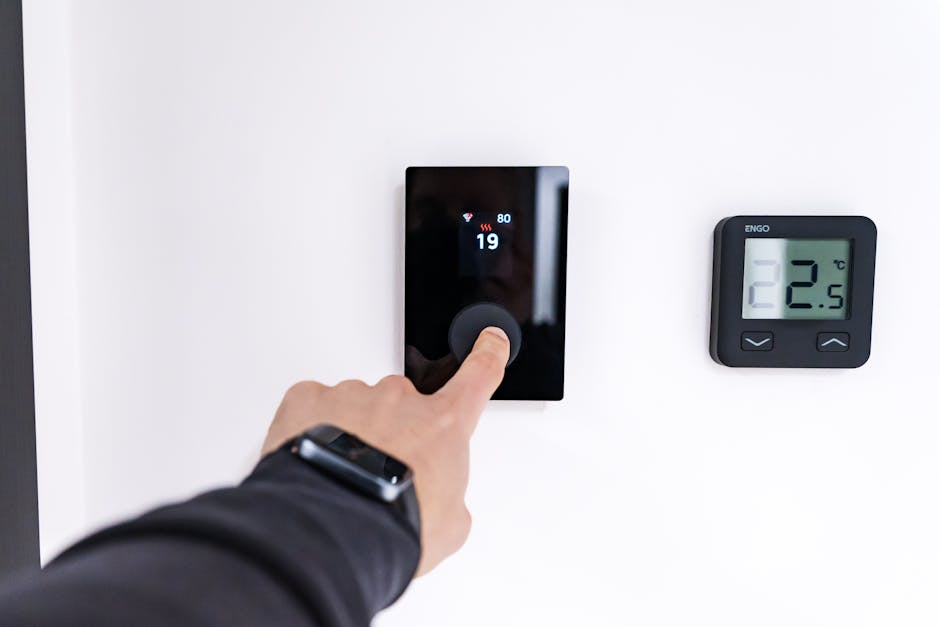


There’s nothing quite like the relief of stepping into a cool home on a hot Raleigh day. But what happens when that reliable blast of cool air is replaced by lukewarm breezes, or worse, just silence? Often, the culprit is your air conditioner’s compressor, the hardworking heart of your entire cooling system. When it starts to fail, it doesn’t just impact your comfort; it can significantly affect your energy bills and your wallet.
A failing AC compressor can turn your comfortable sanctuary into a sauna, leaving you wondering if a portable air conditioner is your only option. We understand the urgency of keeping your home comfortable, and knowing the signs of trouble early can save you stress and money. That’s why we always emphasize preventive measures, as we cover in our guide to Spring Air Conditioning Tune-Up: Get Your AC Ready for Warm Months.
At Parkside Plumbing & HVAC, we’ve spent over 20 years helping homeowners and businesses in Raleigh keep their HVAC systems running smoothly. We’re here to explain what a compressor does, how to spot the signs of failure, and what your options are when this vital component decides to quit.
What Exactly Does an AC Compressor Do?
The AC compressor is often called the “heart” of your air conditioning system, and for good reason. Its main job is to circulate refrigerant through the system, changing its pressure and temperature to enable the transfer of heat. It takes the low-pressure, low-temperature gaseous refrigerant from the evaporator coil, compresses it into a high-pressure, high-temperature gas, and then sends it to the condenser coil to release heat outside your home.
Without a functioning compressor, the refrigerant can’t move, and your AC can’t cool. Think of it as a pump: it drives the entire heat exchange process. According to the U.S. Department of Energy, “the compressor is the most energy-intensive component of your air conditioner, responsible for compressing refrigerant and moving it through the system.” Its efficiency directly impacts your home’s cooling capacity and your energy costs, making its health critical for consistent care and long-term reliability.
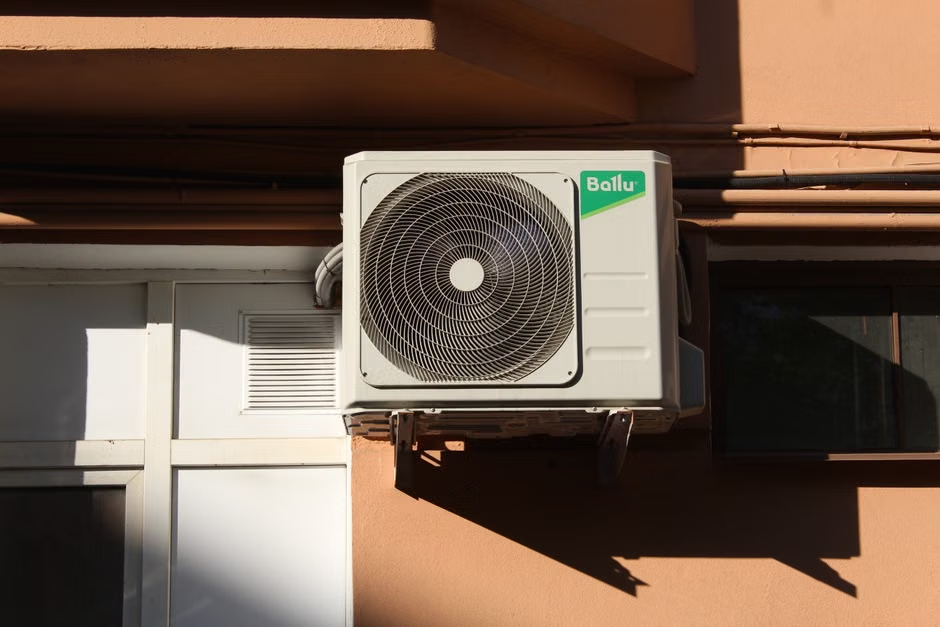
How to Tell If Your AC Compressor Has Failed?
Identifying a failed AC compressor often comes down to recognizing specific symptoms that indicate the unit isn’t performing its core function. You’ll usually notice a distinct drop in cooling capacity or unusual operational noises.
When your AC compressor fails, your home won’t cool effectively, or it won’t cool at all. You might hear strange noises coming from the outdoor unit, or the unit might not even turn on. Sometimes, the fan inside runs, but the air coming out of your vents is warm because the refrigerant isn’t being compressed and circulated to remove heat. These are clear indicators that something is seriously wrong with this critical component.
Here are the common signs of a bad compressor:
- Warm Air from Vents: The most obvious sign. If your thermostat is set to cool, and you’re getting lukewarm or even warm air, the compressor might not be doing its job.
- Loud Noises: A healthy AC unit makes a low humming sound. A failing compressor might produce grinding, rattling, clanking, or even screeching sounds. These noises often indicate internal mechanical issues.
- AC Unit Not Starting: If your outdoor unit (the condenser) isn’t turning on at all, or it trips the circuit breaker repeatedly, it could be a sign of a compressor issue, especially if the indoor unit (blower) is still running.
- Reduced Airflow: While not always directly compressor-related, sometimes a struggling compressor can affect the overall efficiency, leading to weaker airflow as the system strains.
- High Energy Bills: A compressor that’s working harder than it should to achieve minimal cooling will consume significantly more electricity, leading to a noticeable spike in your utility costs.
- Leaking Refrigerant: Although leaks can occur anywhere, compressor seals can fail, leading to refrigerant loss. You might notice ice forming on the refrigerant lines near the outdoor unit, or a decrease in cooling power over time.
What Happens When an AC Compressor Fails?
When an AC compressor fails, the entire cooling cycle grinds to a halt. The refrigerant, which is responsible for absorbing heat from your home and releasing it outside, cannot be circulated or compressed. This means your air conditioner effectively becomes a large fan, blowing unconditioned air around without actually lowering the temperature inside.
The immediate consequence is a lack of cooling. Your home will get warmer, quickly becoming uncomfortable during Raleigh’s humid summers. Beyond comfort, a failing compressor can also lead to other system stresses. If the compressor tries to start and repeatedly fails, it can put a strain on your electrical system, potentially tripping circuit breakers. In some cases, a dying compressor might overheat before giving out completely, potentially damaging other electrical components within the outdoor unit. It’s a critical component, and when it goes, the system goes.
“Consistent, professional maintenance significantly extends the lifespan of an AC unit’s compressor and can prevent many common failures before they lead to costly breakdowns. Addressing minor issues early keeps the entire system in sync.”
How Much Does It Cost to Fix a Bad AC Compressor?
The cost to address a bad AC compressor can vary widely based on several factors, including the type of AC unit, the refrigerant it uses, and whether you opt for repair or full replacement. Repairing a compressor is often complex and costly due to the component’s intricate nature and the specialized skills required.
Many homeowners find that a full compressor replacement can be quite expensive, sometimes approaching the cost of a new outdoor unit or even an entire AC system, especially if the unit is older or uses an outdated refrigerant. This is where a crucial decision needs to be made: is it a smart investment to repair an old system, or is it time to consider an upgrade? For instance, older systems using R-22 refrigerant face higher repair costs due to phase-out regulations and the scarcity of the refrigerant. We understand these considerations when we discuss options for your HVAC Services.
If your AC unit is nearing the end of its typical lifespan (usually 10-15 years), replacing the entire outdoor unit or even the full system might be a more cost-effective choice in the long run. A new system will likely be more energy-efficient, offer better performance, and come with a new warranty, providing peace of mind. We always assess the overall health of your system to recommend the most economical and reliable path forward. Sometimes, it’s not just about fixing the immediate problem, but ensuring long-term reliability for your comfort.
What Is the 3-Minute Rule for Air Conditioners?
The 3-minute rule for air conditioners refers to a built-in delay designed to protect your compressor from short cycling. This safety feature prevents the compressor from restarting too quickly after it has just shut off, ensuring that internal pressures equalize before it kicks back on. Ignoring this rule can lead to significant damage over time.
When an AC unit cycles on and off too frequently (short cycling), it places immense stress on the compressor. The 3-minute delay allows the refrigerant pressures to balance, reducing the electrical load and mechanical strain on the compressor during startup. Without this delay, the compressor might attempt to start against high pressure, leading to motor burnout or other failures. Most modern thermostats and AC units have this delay built in, but understanding its purpose helps you appreciate the importance of professional installation and proper thermostat settings. If you notice your AC is frequently short cycling, it’s a symptom that needs professional attention, not just an annoyance.
“The compressor is the most expensive part of an air conditioner, and its failure usually necessitates a costly repair or replacement of the entire outdoor unit. Regular professional maintenance is key to extending its life and preventing premature failure.”
Practical Tips for AC Compressor Care
While some compressor failures are simply due to age or manufacturing defects, many can be prevented with proper care and attention. Our 20+ years of industry experience across Raleigh show us that early intervention acts early and prevents costly damage, saving homeowners significant expense and discomfort. Here are some practical tips to help extend your AC compressor’s life:
- Regular Filter Changes: A dirty air filter restricts airflow, forcing your AC system, and particularly the compressor, to work harder. Change or clean your filters monthly during peak cooling season.
- Keep Outdoor Unit Clean: Clear away leaves, grass clippings, dirt, and other debris from around your outdoor condenser unit. Obstructions can hinder heat dissipation and make the compressor work overtime.
- Schedule Annual Professional Tune-Ups: A skilled technician will inspect refrigerant levels, electrical connections, and overall system performance. This can catch minor issues before they escalate into major compressor problems. Neil Henderson notes that these check-ups are “one of the smartest investments you can make.”
- Ensure Proper Refrigerant Levels: Low refrigerant levels due to leaks force the compressor to work harder and can lead to overheating. A professional can detect and fix leaks and properly recharge the system.
- Maintain Proper Airflow: Keep vents inside your home clear of furniture or drapes. Good airflow throughout the home ensures the system isn’t overworking to distribute conditioned air.
- Avoid Short Cycling: Try not to turn your AC off and on frequently. Use your thermostat’s programming features or adjust the temperature incrementally to allow the system to complete its cooling cycles without interruption.
Consistent care for your air conditioner isn’t just about preventing breakdowns; it’s about ensuring efficient operation and extending the overall lifespan of your system. For instance, making sure your system isn’t constantly struggling can also improve overall AC efficiency, which we discuss in more detail in our guide to AC Efficiency Tips for Summer: Keep Your Home Cool Without Breaking the Bank. Regular maintenance is a smart investment that keeps your home comfortable, reduces energy waste, and ultimately saves you from unexpected, costly repairs.
Dealing with a failing AC compressor can be daunting, but you don’t have to face it alone. Whether you’re experiencing warm air, strange noises, or simply want to schedule a preventive check, our team of reliable professionals at Parkside Plumbing & HVAC is ready to help. We provide skilled handling and diagnostics for all your heating and cooling needs, offering solutions that keep your home comfortable and your systems running efficiently for years to come. Reach out to us, and let’s get your cool back.