
Imagine your home as a finely tuned machine. Every component, from your heating and cooling system to the pipes behind your walls and the wiring delivering power, works together to keep your life running smoothly. But just like any machine, these systems need regular attention to perform their best. Ignoring small issues can quickly escalate into major, costly breakdowns, disrupting your comfort and emptying your wallet.
That sudden burst pipe, the HVAC unit dying in the middle of a Raleigh summer, or the flickering lights that signal a deeper electrical problem — these aren’t just inconveniences. They’re often the result of neglected maintenance, turning what could have been a minor repair into an emergency that demands immediate, expensive professional intervention. We understand how frustrating and stressful these situations can be for homeowners.
At Parkside Plumbing & HVAC, we believe in a proactive approach. We know that keeping your home comfortable and safe for the long haul requires more than just reactive fixes. That’s why we champion annual home maintenance tasks and planned preventive care. It’s a smart investment, not an expense, designed to save you money and headaches in the long term.
What Exactly Is Preventive Maintenance for Your Home?
Preventive maintenance involves routine, scheduled tasks performed on equipment to prevent breakdowns and prolong its lifespan. For your home, this means regular inspections, cleaning, adjustments, and minor repairs across your plumbing, HVAC, and electrical systems before they develop into serious problems. It’s about spotting wear and tear early and addressing it.
Think of it like regular oil changes for your car or annual check-ups for your health. You don’t wait for your engine to seize or for a major illness to strike before taking action. Instead, you maintain things consistently to avoid worse outcomes. According to Wikipedia, the primary goal of preventive maintenance is to “preserve and enhance equipment reliability by replacing worn components before they actually fail.” This philosophy applies directly to the complex systems within your home.
How Does Consistent Care Lead to Long-Term Savings?
Consistent care for your home’s systems leads to long-term savings by preventing major breakdowns, improving energy efficiency, and extending equipment lifespan. Addressing small issues early avoids costly emergency repairs and premature system replacements, while optimized performance reduces monthly utility bills. It’s an investment that pays dividends.

Many homeowners underestimate the true cost of neglect. A small leak can lead to significant water damage, mold growth, and expensive structural repairs. A neglected HVAC system might suddenly quit, leaving you to face emergency service fees and possibly a full unit replacement years sooner than necessary. Neil Henderson, who writes for Parkside Plumbing & HVAC, often highlights how preventive care is the most effective way to protect your budget.
“Homeowners often focus on the immediate cost of a maintenance visit, but they’re overlooking the much larger costs they’re avoiding. From emergency service call fees to inflated utility bills and the massive expense of replacing a system prematurely, the savings from preventive maintenance far outweigh the initial investment.”
We’ve seen it time and again in our 20+ years in the industry. Clients who commit to annual tune-ups for their HVAC systems, regular plumbing inspections, and electrical safety checks consistently enjoy lower utility bills, fewer inconvenient breakdowns, and systems that last their full expected lifespan, often even longer.
How Does Planned Maintenance Improve System Reliability?
Planned maintenance improves system reliability by proactively identifying and correcting potential issues before they cause failures. Technicians can clean components, tighten connections, lubricate moving parts, and replace worn filters, ensuring optimal operation and reducing the likelihood of unexpected breakdowns or system inefficiencies. This consistent care keeps everything running smoothly.
Think of the precision required for your water heater to consistently deliver hot water, or for your furnace to kick on reliably when the temperatures drop. Each part plays a crucial role. During a maintenance visit, our skilled technicians don’t just glance at your systems; they perform detailed checks. They look for signs of corrosion, wear on electrical contacts, blockages in condensate drains, and proper pressure levels in your plumbing. This diagnostic methodology is key to catching small issues before they become major problems. For instance, addressing sediment buildup in a water heater can prevent inefficiency and extend the unit’s life significantly, as we explain in our services for water heater & boiler care.
During a Planned Maintenance Call, What Do Technicians Check?
During a planned maintenance call, technicians thoroughly inspect, clean, and test various components to ensure safe and efficient operation. This includes checking electrical connections, refrigerant levels, thermostat accuracy, drain lines, air filters, and examining major components for wear or damage. The goal is to optimize performance and prevent future issues.
The exact checklist varies slightly depending on the system being serviced – plumbing, HVAC, or electrical – but the principle is the same: a comprehensive review. For HVAC, this might include checking the condensate drain for clogs, inspecting electrical terminals for corrosion, measuring refrigerant levels, and calibrating the thermostat. For plumbing, it often involves checking for leaks, inspecting water pressure, testing shut-off valves, and evaluating water heater function. When it comes to electrical systems, we’re looking at things like proper grounding, safe wiring, and testing outlets and circuit breakers.
Common Checks During Maintenance:
- Inspect and clean air filters, coils, and drain pans for HVAC units.
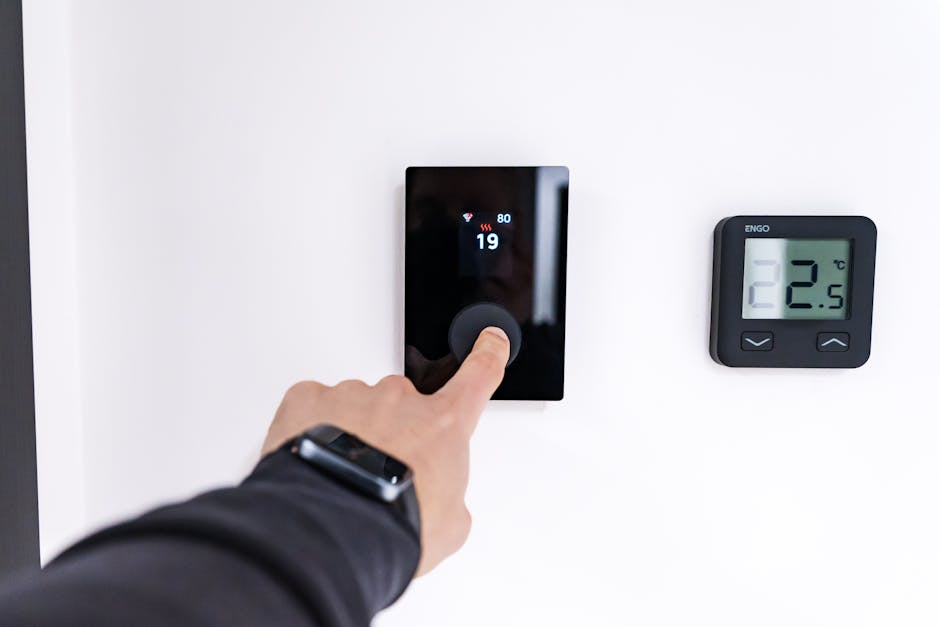
- Test thermostat accuracy and calibrate if necessary.
- Check electrical connections for tightness and signs of overheating.
- Measure refrigerant levels and inspect for leaks in AC systems.
- Lubricate moving parts (e.g., fan motors) to reduce wear.
- Inspect water heaters for sediment buildup, leaks, and proper pressure.
- Test water pressure and inspect pipes for signs of corrosion or leaks.
- Verify proper function of circuit breakers and ground-fault circuit interrupters (GFCIs).
- Examine ductwork for leaks and insulation integrity.
Why Is Planned Maintenance Often Performed During the Off-Season?
Planned maintenance is often performed during the off-season for practical reasons, primarily to avoid peak demand times when technicians are busiest with emergency repairs. Scheduling during cooler months for AC or warmer months for heating allows for more flexible appointment times and ensures systems are ready before they’re heavily relied upon. This proactive timing guarantees optimal comfort.
In Raleigh, our summers are hot, and our winters can be quite chilly. You don’t want to discover your AC isn’t cooling effectively when temperatures soar, or your furnace isn’t heating when it’s freezing outside. Scheduling maintenance for your air conditioner in the spring and your furnace in the fall means we can thoroughly inspect and tune your systems before they’re put to the test. This strategy allows our technicians to take their time, ensuring every detail is covered without the pressure of an urgent repair waiting. It’s also often easier for homeowners to schedule at their convenience during these quieter periods, ensuring your family’s comfort isn’t compromised by unexpected outages.
Is Preventive Maintenance Always Necessary? Are There Alternatives?
While preventive maintenance is highly recommended for long-term reliability and cost savings, it’s not the only approach. Reactive maintenance, where you only fix issues after they break, is an alternative, though typically more costly and disruptive. For simpler tasks like changing air filters, DIY is often suitable. However, for complex systems like boilers or main electrical panels, professional care is essential. It truly depends on the task and your skill level.
For minor cosmetic issues or tasks like replacing a light bulb, doing it yourself makes perfect sense. But when it comes to the intricate workings of your home’s major systems, the expertise of a professional is invaluable. Attempting complex repairs without proper training or tools can lead to further damage, safety hazards, or voided warranties. For instance, diagnosing a refrigerant leak or recalibrating a furnace’s gas valve demands specialized knowledge and equipment that only trained technicians possess. We’re talking about situations where the risks far outweigh any perceived savings from a DIY attempt. Our commitment to skilled handling ensures your systems are maintained correctly and safely.
“While simple fixes can be a good way to save money, it’s crucial to understand when to call a professional. Serious issues with plumbing, electrical, or HVAC can pose safety risks and cause significant damage if not handled correctly.”
What Are the Realistic Results and Timeline to Expect?
With consistent preventive maintenance, you can realistically expect improved system efficiency within weeks, leading to lower energy bills in the next cycle. Over months and years, you’ll see a significant reduction in unexpected breakdowns and potentially extend the lifespan of your major appliances by 5-10 years or more, delaying costly replacements and ensuring consistent home comfort.
The benefits of preventive maintenance aren’t always instantaneous, but they are substantial and compound over time. You might notice your air conditioner cooling more effectively or your water heating up faster almost immediately after a professional tune-up. Over the course of a year, these small improvements translate into noticeable savings on your utility bills. More importantly, the early detection of issues means you avoid the sudden, expensive shock of a system failure. For instance, proactively clearing out a slow drain might prevent a messy sewer line backup and significant repair costs down the road.
Practical Tips for Incorporating Preventive Maintenance
Making preventive maintenance a regular part of your home care routine doesn’t have to be overwhelming. Here are some straightforward steps you can take to keep your home’s vital systems in top shape:
- **Change HVAC Filters Regularly:** This is perhaps the easiest and most impactful DIY task. Aim for every 1-3 months, especially during peak use seasons or if you have pets.
- **Inspect for Leaks:** Periodically check under sinks, around toilets, and near water heaters for any signs of moisture. Small drips can become big problems.
- **Test Smoke and Carbon Monoxide Detectors:** Do this monthly to ensure batteries are fresh and units are functional. Your family’s safety depends on it.
- **Clear Drain Openings:** Remove hair and debris from tub and shower drains to prevent slow flow and clogs. Avoid harsh chemical drain cleaners; they can damage pipes.
- **Check Electrical Outlets and Cords:** Look for loose outlets, frayed cords, or warm receptacles. Any of these could indicate a serious electrical issue.
- **Schedule Annual Professional Check-ups:** For major systems like HVAC, water heaters, and your main electrical panel, rely on experienced professionals like us at Parkside Plumbing & HVAC.
Remember, a well-maintained home isn’t just about avoiding repairs; it’s about preserving your investment, enhancing your comfort, and ensuring the safety of everyone under your roof. Investing a little time and effort now can save you a significant amount of money and stress in the future. We’re here to help you make those smart investments.